Why Is Sorghum Called the Food of the Future?
The answer is on your plate!
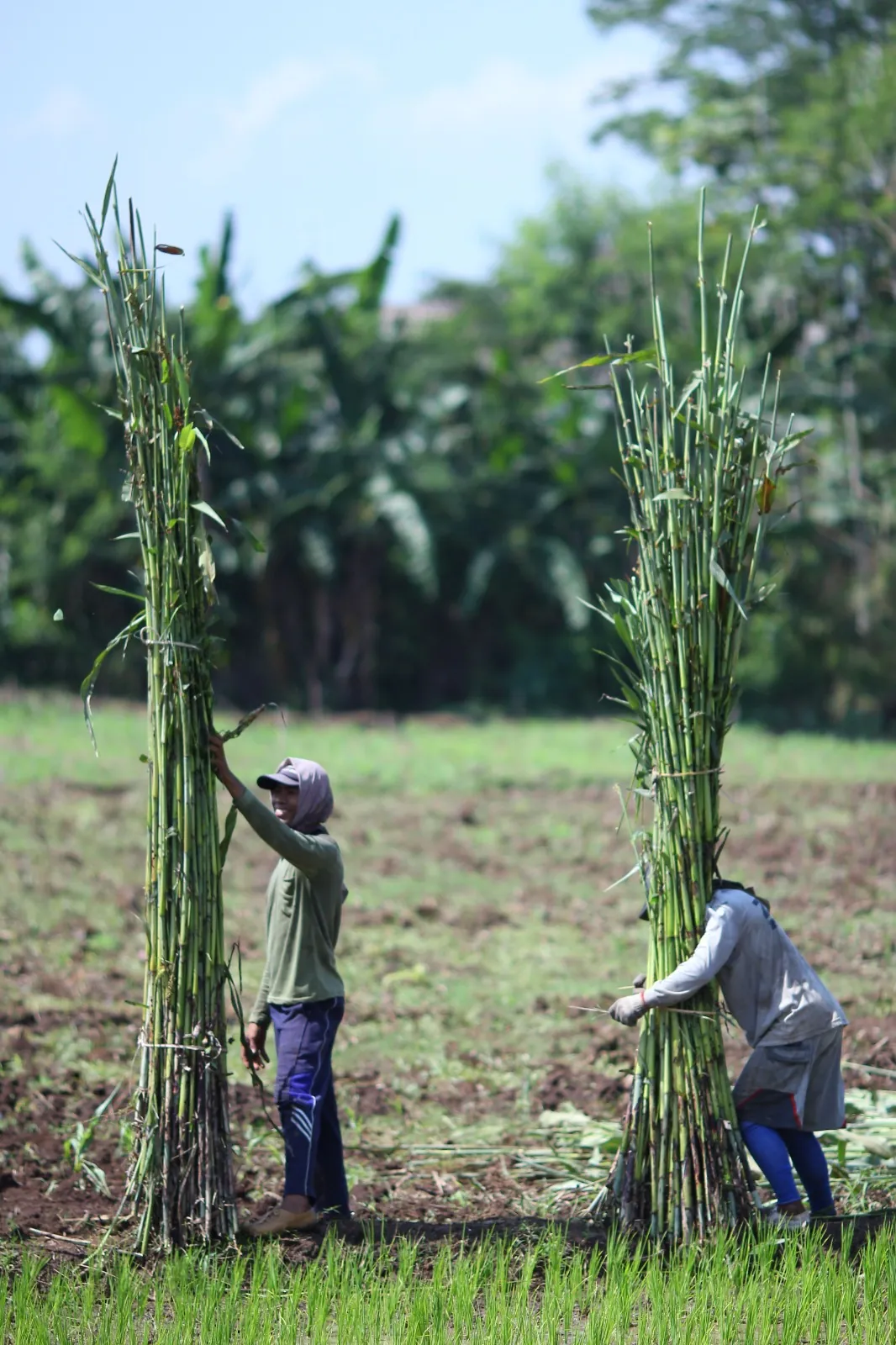
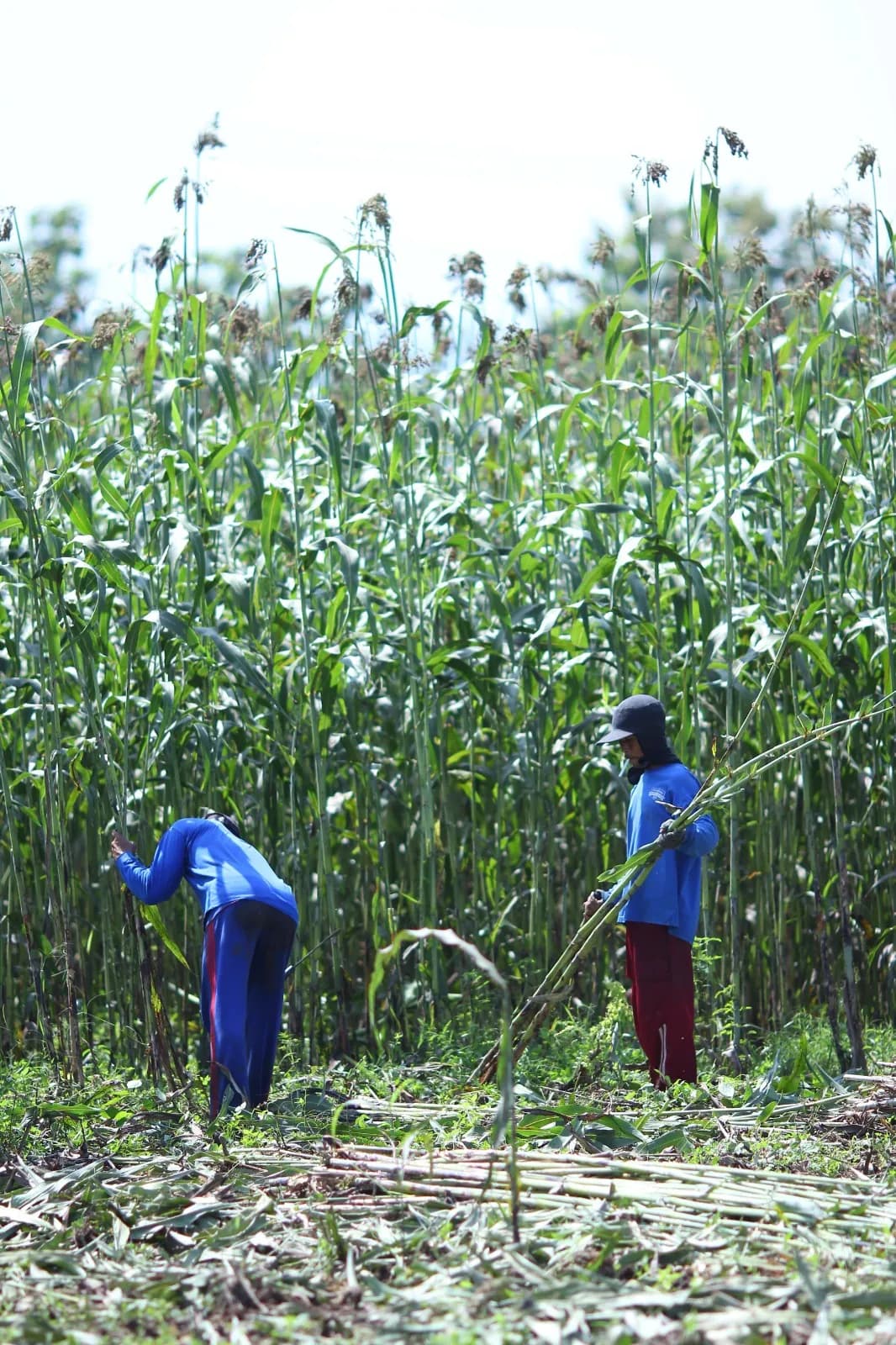
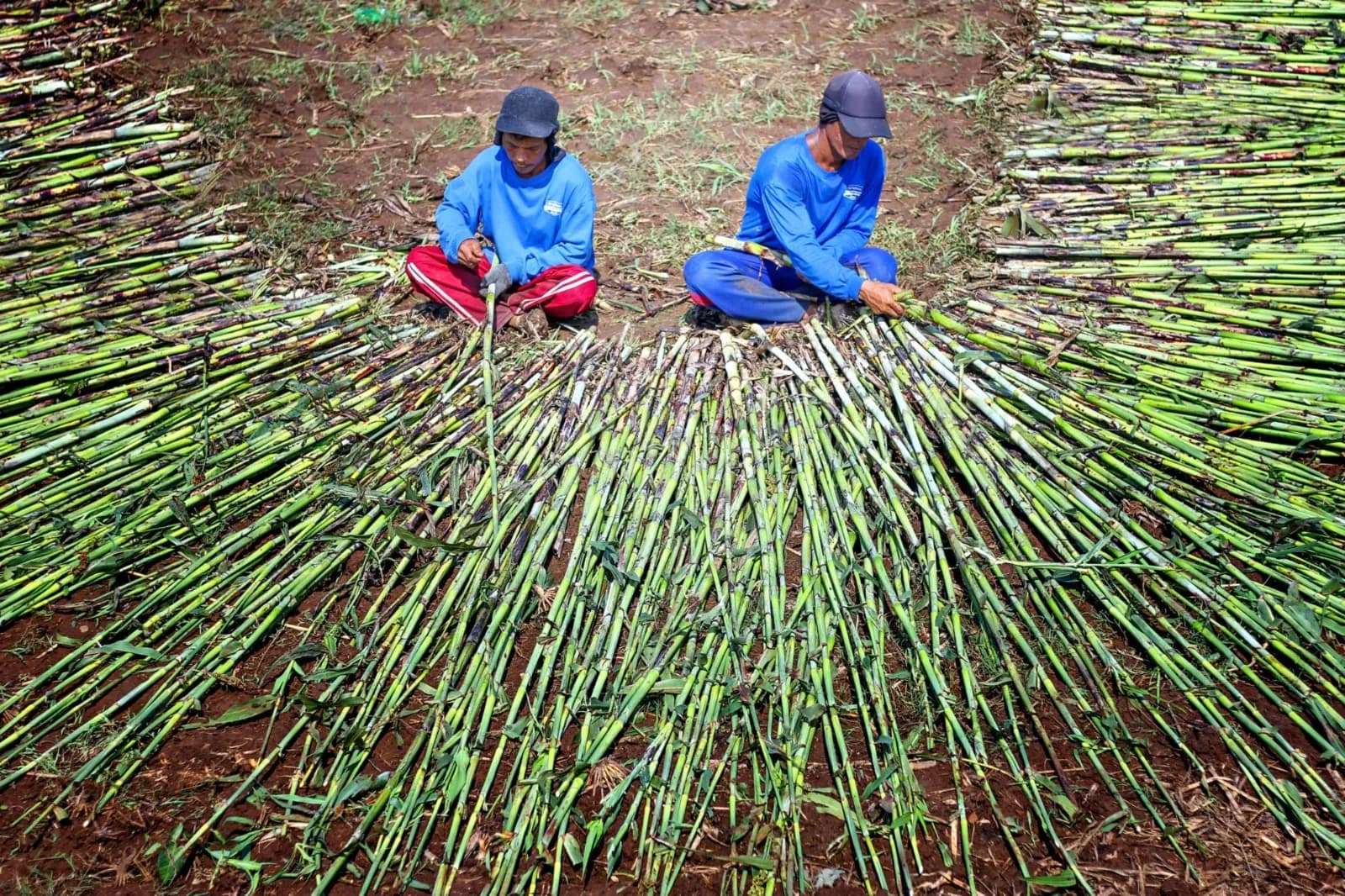
Sorghum is a versatile crop that thrives in extreme weather & uses little water to grow.
3 big benefits at once
- 450–650mm of water per growing season
For the Planet
Sorghum needs only about a quarter to a third of the water sugarcane needs per growing season (FAO).
A highly drought-tolerant, water-saving crop — a fitting answer to the climate crisis.
Read more
- 6.7 gfibre per 100 g of sorghum grain
For Your Body
100 g of raw sorghum grain contains 6.7 g of fibre and 10.6 g of protein (USDA).
Naturally gluten-free, high in fiber, and rich in antioxidants.
Read more
- 2,298sorghum-growing households (2023)
For Indonesia
Only 2,298 of 15.55 million food-crop households grow sorghum—there is a lot of room to grow.
An authentic local food that helps reduce dependence on imported food ingredients!
Read more
Water Footprint
A water footprint is the total volume of fresh water needed to grow & process an ingredient until it is ready to eat.
- 1,500–2,500mm of water per growing season
Sugarcane
Sugarcane needs about 3–4 times as much water per growing season as sorghum (FAO).
Needs 1,500–2,500 mm of water in one growing season (FAO).
Read more
- ≈72%less water per season than sugarcane
Sorghum
For one growing season, sorghum needs 450–650 mm of water, far below sugarcane (FAO).
Needs only about 1/3 of the water of sugarcane in one growing season.
Read more
- 450mm minimum water per season
Drought-Tolerant
FAO rates sorghum's sensitivity to drought as low.
Sorghum can grow on water-scarce land.
Read more
- 1.85–2.54 msorghum root depth
Prevents Erosion
Sorghum roots reach about 2 metres into the soil (field studies in Kansas, USA).
Sorghum roots keep the soil structure intact.
Read more
- ≤0.45kg CO₂e per kg sorghum (300 farms, Kenya)
Low Emissions
Across 300 rain-fed sorghum farms in Kenya, the carbon footprint ranged from −1.29 to 0.45 kg CO₂e per kg of sorghum.
Climate-adaptive and supports low-emission farming.
Read more
From an ancient grain in Africa to the Archipelago's proud superfood!
- ±5,000years of cultivation
01
Origins in Africa
The oldest evidence of cultivated sorghum comes from eastern Sudan, site KG23 near Kassala (about 3500–2500 BCE).
Cultivated for more than 5,000 years as a life-saving food crop thanks to its ability to survive in dry soil.
Read more
- #5most important cereal in the world
02
Going Global
Sorghum ranks fifth after wheat, maize, rice and barley (ICRISAT).
Spread around the world and now ranks 5th among the most important cereal crops on Earth!
Read more
- 36local sorghum accessions in NTT (2019)
03
A Heritage Food of the Archipelago
A 2019 study documented 36 local sorghum accessions from Timor, Sumba and Flores.
In Indonesia, sorghum (often called Cantel) has long been grown from Java to East Nusa Tenggara (NTT).
Read more
Preserve world-class local food with Sorghumin!
- 10.84 Mtonnes of wheat & meslin imported (2025)
Reduce Imports
In 2025 Indonesia imported 10.84 million tonnes of wheat & meslin; local crops like sorghum add more choice.
Prevents dependence on imported wheat.
Read more
- 62%of Indonesian farmers are smallholders (2023)
Support Farmers
17.25 million of 27.80 million land-using farmers work less than 0.5 ha—market demand for local crops matters to them.
Creates jobs & improves the welfare of local farmers.
Read more